The Nyahua Forest Reserve, spanning over 130,000 hectares in western Tanzania, represents one of the country's most significant miombo woodland ecosystems. Within this vast expanse of indigenous forest, a quiet revolution in sustainable agriculture has been taking place—one that benefits both local communities and the environment.

The Challenge of Forest Conservation
For decades, Tanzania's forests faced mounting pressure from deforestation, charcoal production, and agricultural expansion. Traditional approaches to conservation often placed protected areas in conflict with local communities who depended on forest resources for their livelihoods. This created a challenging dynamic where conservation efforts could inadvertently increase poverty among forest-adjacent communities.
Beekeeping as a Conservation Strategy
Beekeeping offers an elegant solution to this challenge. Unlike many agricultural activities, apiculture requires intact forest ecosystems to thrive. Bees depend on diverse flowering plants throughout the year, which means beekeepers have a direct economic incentive to protect and maintain forest cover. When communities can earn meaningful income from healthy forests, the calculus around land use changes dramatically.
In the Nyahua region, beekeeping has become a cornerstone of community-based natural resource management. Hundreds of families now maintain hives in designated forest zones, harvesting honey and beeswax during specific seasons that align with natural bee cycles.
The Miombo Advantage
Tanzania's miombo woodlands provide exceptional conditions for beekeeping. The diverse tree species—including Brachystegia, Julbernardia, and Isoberlinia—produce abundant nectar flows throughout much of the year. This creates honey with distinctive flavor profiles that reflect the region's unique botanical diversity.

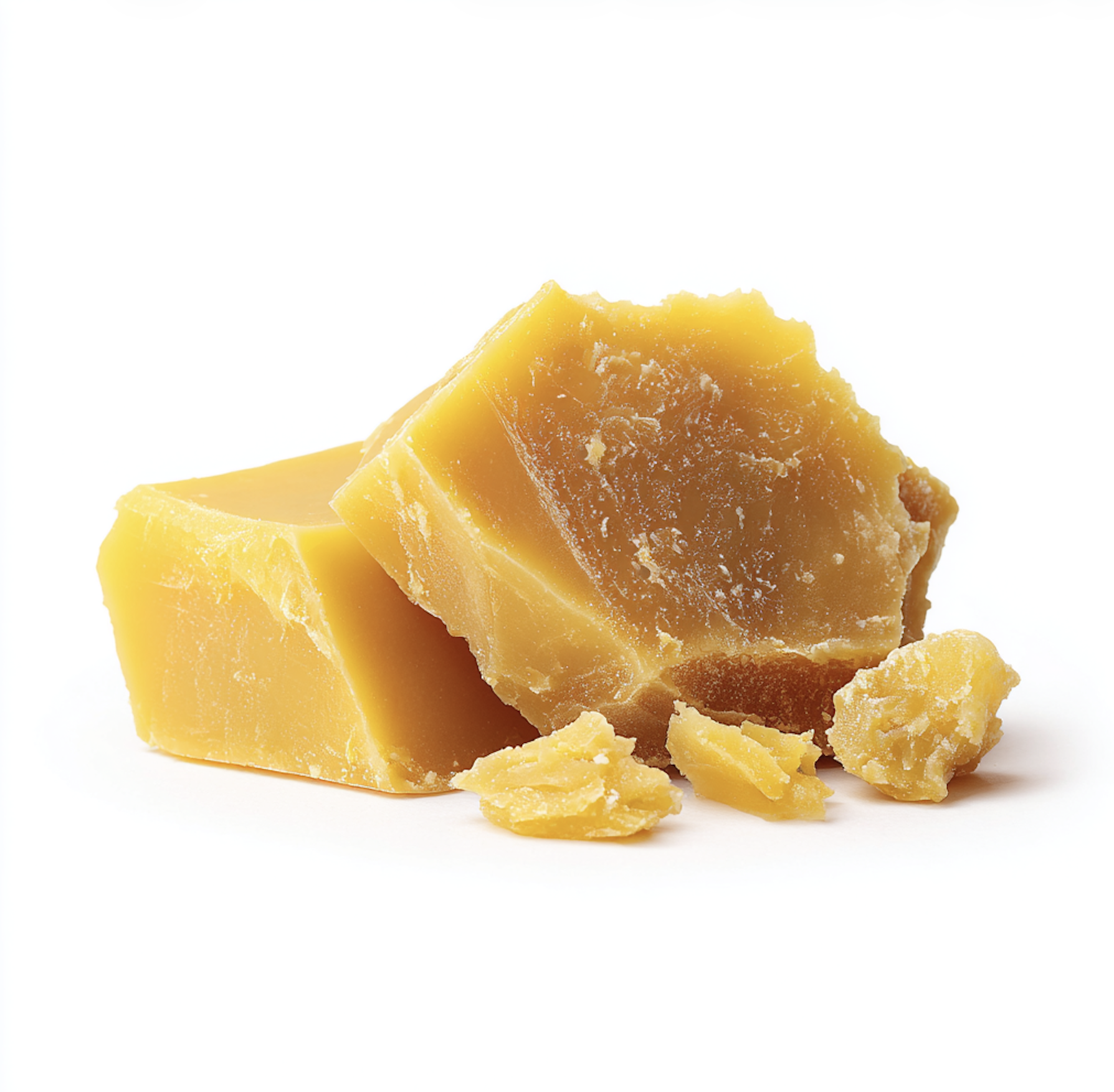
The beeswax produced in these forests is equally exceptional. With minimal exposure to agricultural chemicals and abundant natural forage, Tanzanian beeswax meets the stringent requirements for organic certification while maintaining the physical properties that cosmetic and pharmaceutical manufacturers value.
Economic Impact on Communities
The economic benefits of sustainable beekeeping extend throughout rural communities. Beyond the direct income from honey and beeswax sales, the industry creates opportunities in processing, transportation, and equipment manufacturing. Women and youth, who often have limited access to land for traditional agriculture, can participate fully in beekeeping operations.

Perhaps most importantly, beekeeping income arrives during seasons when other agricultural activities generate little revenue. This diversification helps families weather economic shocks and reduces pressure on forest resources during lean times.
Looking Forward
The success of community-based beekeeping in Tanzania offers lessons for conservation efforts worldwide. By aligning economic incentives with environmental protection, it's possible to create durable solutions that benefit both people and ecosystems.
As demand for sustainably-sourced natural products continues to grow globally, Tanzanian beekeepers are well-positioned to meet this market while maintaining the practices that make their products exceptional. The challenge now is scaling these successes while maintaining the quality and sustainability that define them.